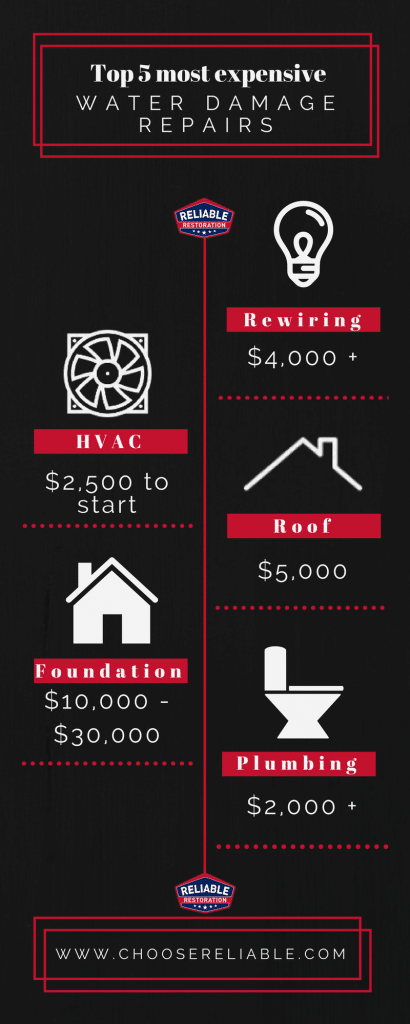
Water damages can strike when you least expect it, leaving your home prone and your peace of mind drunk. You require to act quickly to lessen damage and protect against mold and mildew growth. Understanding the key steps for restoration and prevention is vital. So, how do you examine the level of water damage in your home? And what tested methods can you utilize to quit mold prior to it holds? Let's explore these necessary strategies.
Key Steps for Water Damage restoration
When taking care of water damage, there are 5 key actions you need to comply with for efficient restoration.
First, ensure your safety by shutting off the electricity and putting on safety gear.
Next off, stop the source of the water leak to stop additional damage.
After that, get rid of standing water using pumps or wet vacs; the quicker you act, the much better.
As soon as the area is dry, focus on thoroughly drying out materials like rugs, furniture, and wall surfaces to prevent mold and mildew development.
Last but not least, inspect the location for any indicators of sticking around moisture or damage.
If you're not sure regarding repair services, consider getting in touch with a specialist to make certain everything's brought back appropriately and safely.
Each step matters in returning your home to its pre-damage condition.
Exactly How to Examine Water Damage in your house?
Exactly how can you successfully analyze water damages in your house? Begin by aesthetically evaluating areas like ceilings, walls, and floorings for staining or bending.
Look for any damp areas or peeling paint, as these typically signal hidden wetness. Do not forget to examine your basement and crawl areas, where water has a tendency to accumulate.
Next, utilize a dampness meter to measure degrees in suspicious areas; anything above 15% shows prospective issues.
Listen for noises of dripping or running water, which could point to leaks.
Ultimately, smell for mildewy odors, an indicator of mold and mildew growth. Record your searchings for with pictures and notes to aid overview subsequent restoration initiatives.
Taking these steps will offer you a clear picture of the damage.
Proven Techniques to Stop Mold And Mildew Development After Water Damages
After evaluating the water damage in your house, resolving possible mold growth is crucial. Beginning by eliminating contaminated site remediation standing water right away, as mold and mildew grows in damp conditions.
Use dehumidifiers and fans to dry out influenced areas within 24-48 hours. Don't forget to inspect covert rooms, like behind wall surfaces and under carpetings, because dampness can linger there.
Next, clean surfaces with a combination of water and detergent, and take into consideration making use of a mold-killing solution for included protection.
Seal any type of leakages to stop future water intrusion. Ultimately, keep Check This Out on moisture degrees-- aim for below 50% to inhibit mold and mildew development.
Conclusion
By taking quick activity to attend to water damages, you can secure your home and household from serious concerns. Regularly check your residential property and use dampness meters to catch concealed issues early. Bear in mind, drying affected locations completely is crucial to stop mold growth. With these steps, you'll not just minimize repair expenses however also preserve your home's honesty. Stay aggressive, and you'll maintain your area risk-free and healthy and balanced for years ahead.